Dongfeng Furuitong V10 Diesel Van
2026 MODEL RANGE
Dongfeng Furuitong V10 Diesel Van
Cargo, multipurpose and passenger configurations. Find the body and seating combination for your operation.
Request a configuration quoteDongfeng Furuitong V10 Diesel Van Overview
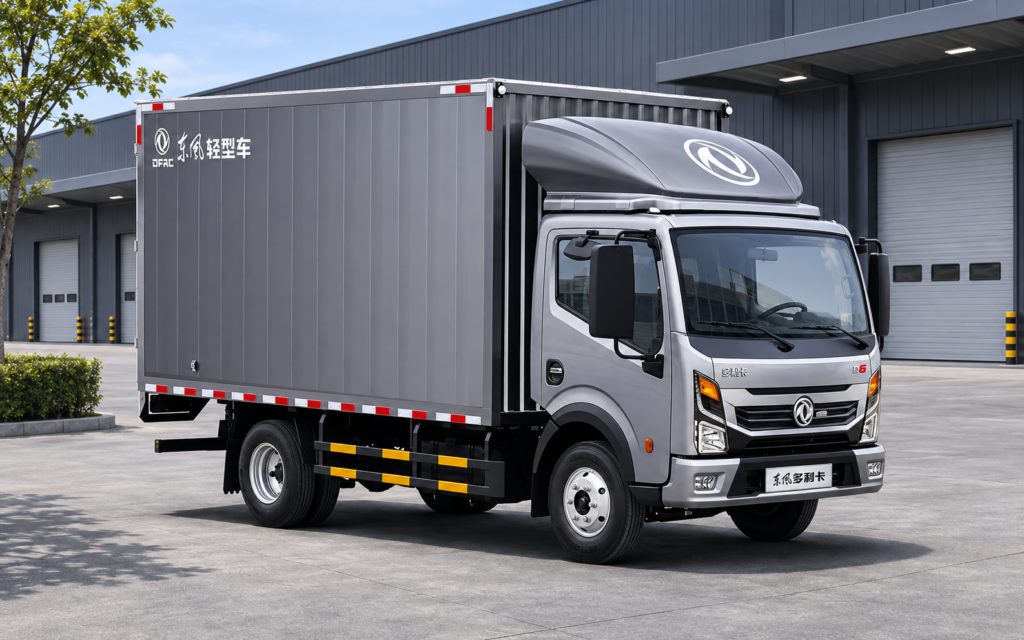
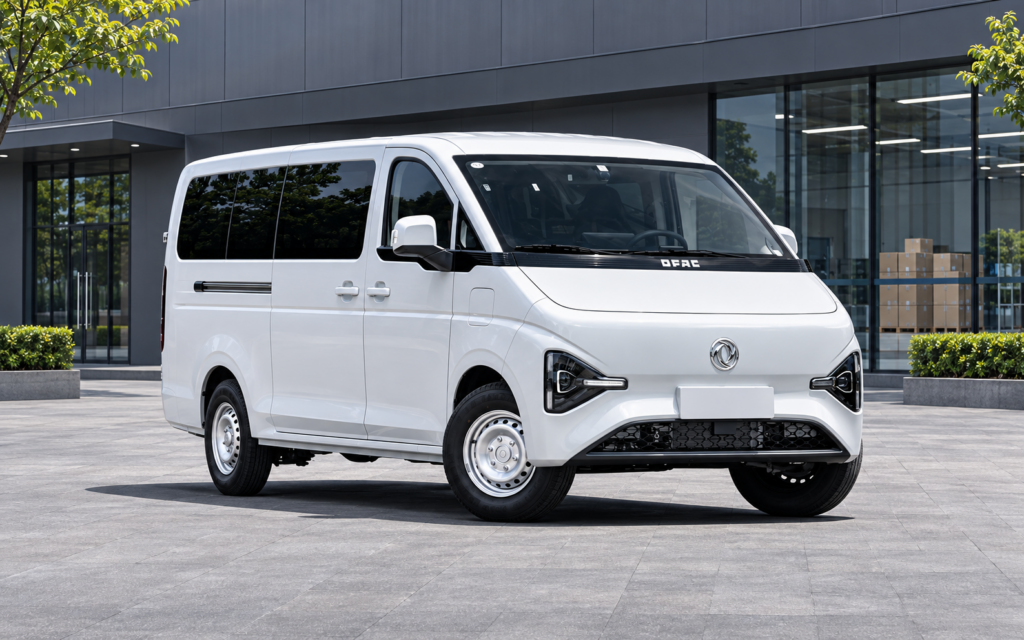
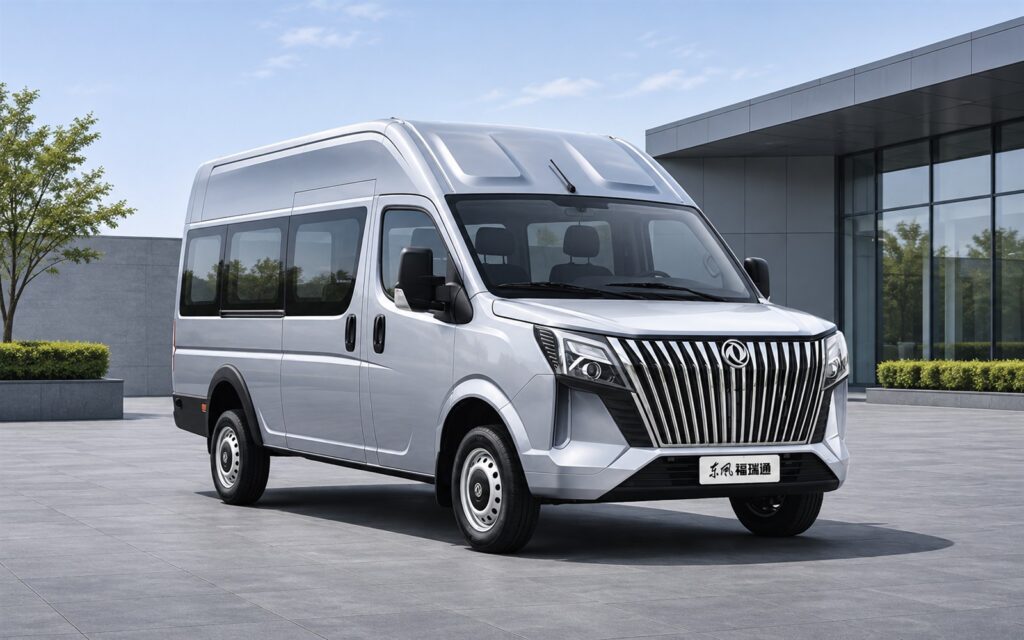
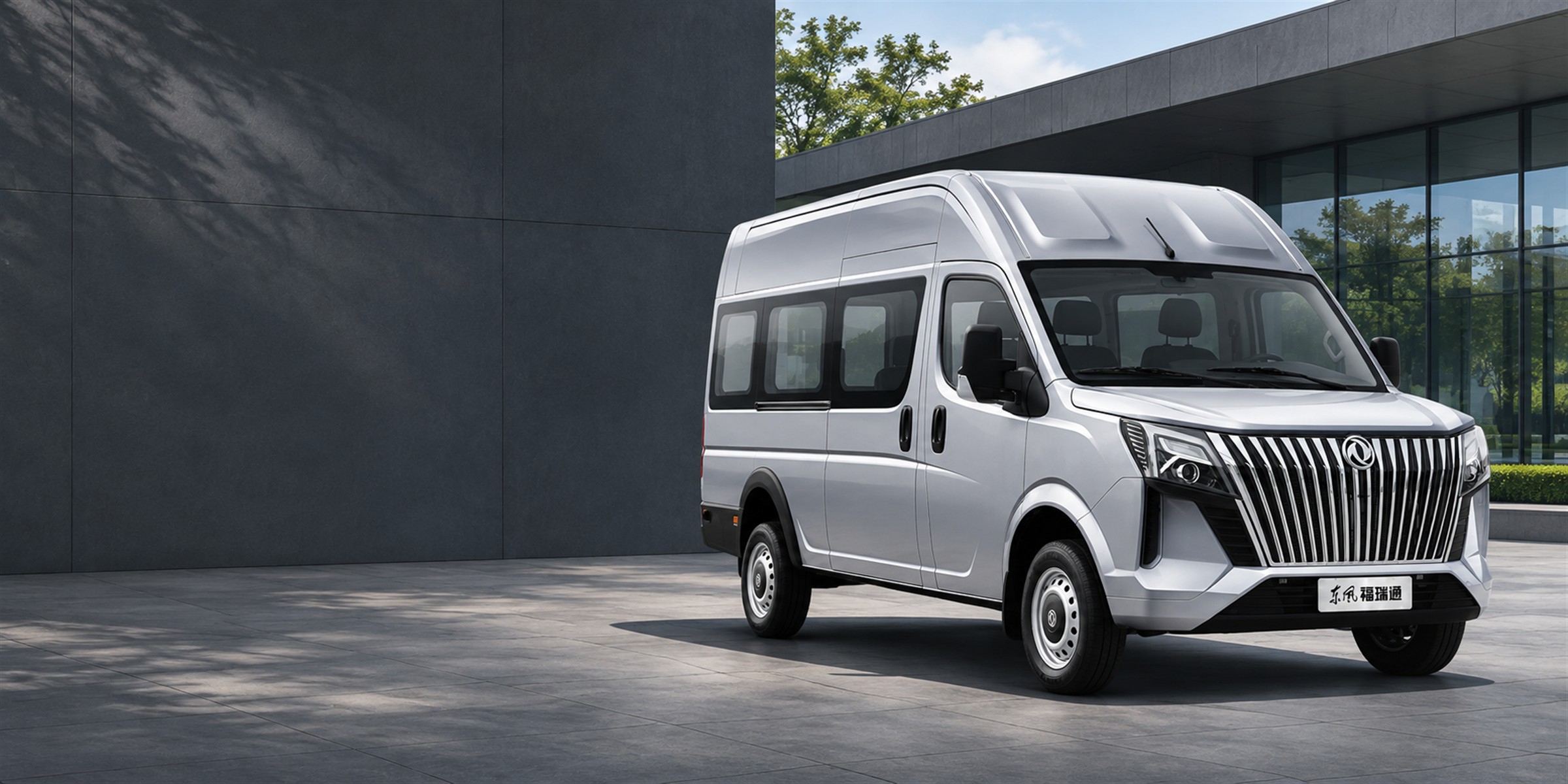
The Dongfeng Furuitong V10 is a diesel van range for cargo distribution, mixed passenger and equipment transport, and passenger operations. The 2026 lineup includes several combinations of engine, transmission, drive layout, body length, roof height and seating. Start with the job the van needs to do, then select a version with the appropriate registered use and load capacity. The silver high-roof vehicle in the photos illustrates one exterior configuration; other versions can differ in body length, windows, seating and equipment.
Understand the V10 Model Range
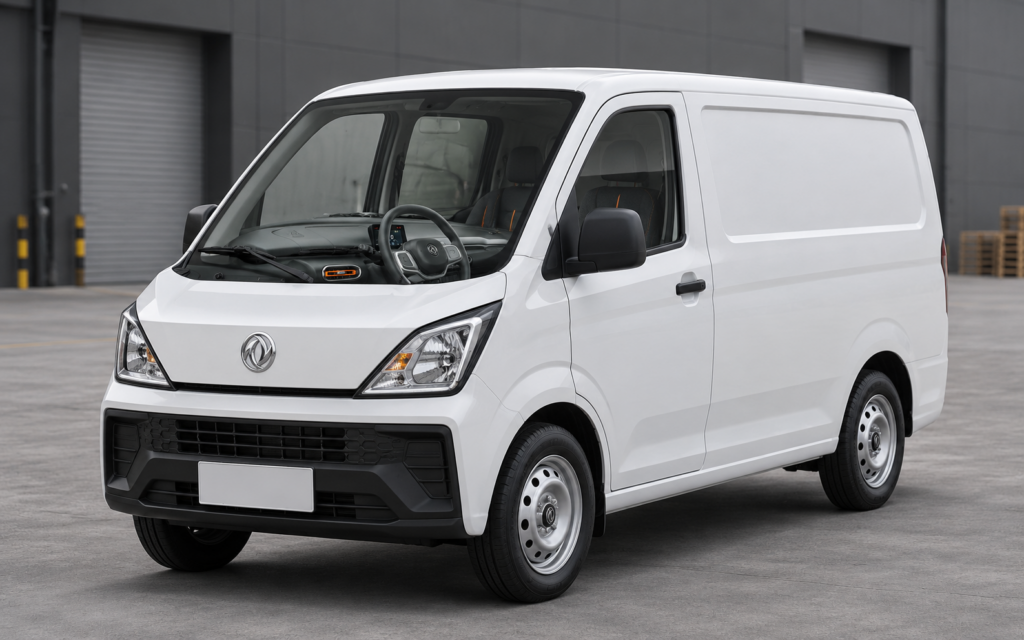
Cargo van
Start with the visible three-seat cargo versions and confirm usable loading dimensions and rated payload.
Multipurpose van
Compare five/six and seven/nine seat configurations for crew and equipment transport.
Passenger van
Request the approved seat layout, luggage provision and body dimensions for the intended passenger service.
| Model year | 2026 |
|---|---|
| Fuel | Diesel |
| Engine choices in range | 2.0T / 2.3T |
| Transmission choices in range | Manual / automatic, depending on trim |
| Drive layouts in range | Front-wheel drive / rear-wheel drive, depending on trim |
| Body and seating | Version-specific; see comparison and request final specification |
| Power, torque, payload and exact dimensions | To be confirmed for the selected model code |
These are range-level choices. Availability of one feature does not establish its availability with every other option.
Dongfeng Furuitong V10 Trim Comparison
Eight clearly visible examples from the supplied 2026 comparison. Prices are China-market guide references in CNY.
| Engine / gearbox | Drive | Wheelbase label | Roof | Seat notation | Use | Guide price (CNY) |
|---|---|---|---|---|---|---|
| 2.0T automatic | FWD | Short | Medium | 5 / 6 | Multipurpose | 110,000 |
| 2.0T automatic | FWD | Short | Low | 5 / 6 | Multipurpose | 113,000 |
| 2.0T automatic | FWD | Medium | Medium | 7 / 9 | Multipurpose | 125,000 |
| 2.0T automatic | FWD | Medium | High | 7 / 9 | Multipurpose | 128,000 |
| 2.0T manual | FWD | Short | Medium | 3 | Cargo | 96,000 |
| 2.0T manual | FWD | Short | Low | 3 | Cargo | 99,000 |
| 2.0T manual | FWD | Short | Medium | 5 / 6 | Multipurpose | 101,000 |
| 2.0T manual | FWD | Short | Low | 5 / 6 | Multipurpose | 104,000 |
The screenshot shows 23 variants in total. This table is a verified transcription of the visible subset; the remaining variants require a complete specification sheet. FWD means front-wheel drive.
V10 High-Roof Exterior Photos
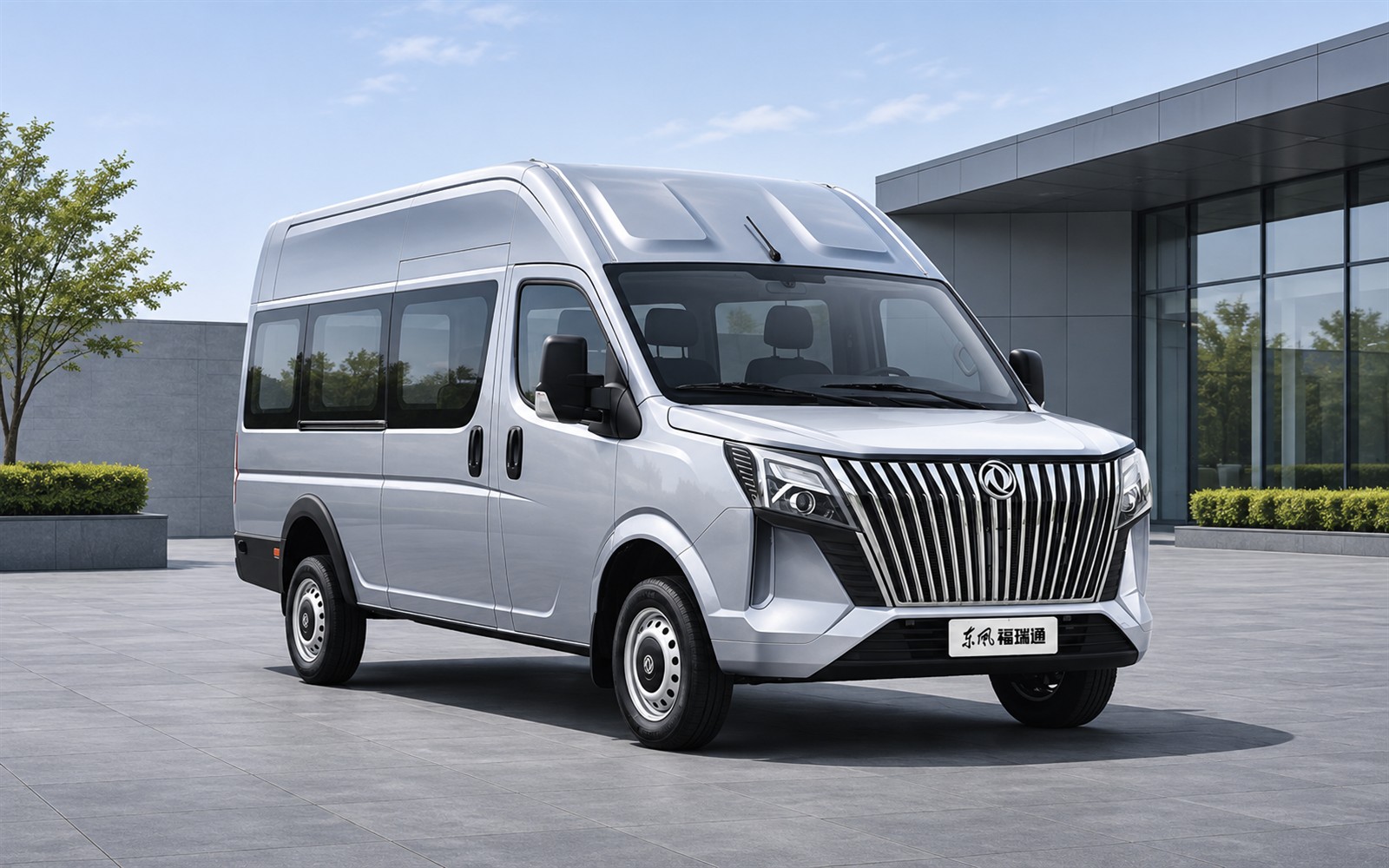
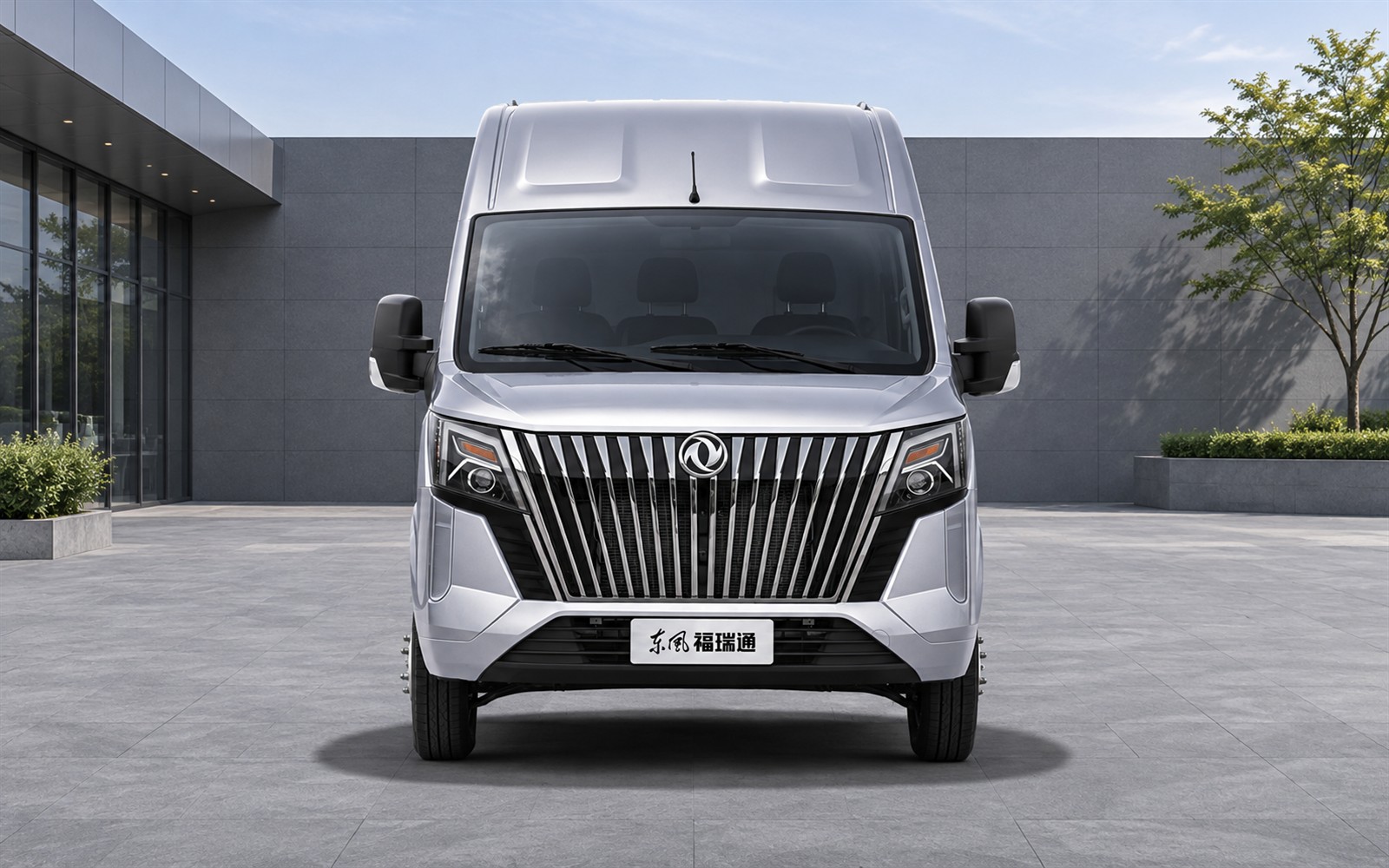
Images are AI-assisted presentations based on the supplied vehicle references. Body and equipment vary by configuration.
Watch the Dongfeng Furuitong V10 Video
Choose Your V10 Configuration
Choose the registered use first
A cargo van prioritizes space for goods and equipment. The three-seat versions shown in the comparison provide a useful starting point for buyers who need the front seats for a driver and crew while reserving the rear area for loads. Multipurpose versions offer five/six or seven/nine seating options in the supplied comparison. Passenger versions require a separate seating and body specification. Confirm the approved seating capacity, seat-belt arrangement and vehicle category for the exact van you intend to register.
Select body length and roof height
The supplied trim names distinguish short and medium wheelbase versions, with low, medium and high roofs appearing across the listed combinations. These are configuration labels, not a common set of dimensions. Ask for the actual overall length, wheelbase and height of each shortlisted version. Measure your garage entrance, loading canopy and regular parking locations, allowing for mirrors and any fitted roof equipment. For indoor work, request usable internal height and door-opening dimensions rather than judging space from exterior photos.
Compare manual and automatic versions
The visible 2.0T front-wheel-drive comparison includes manual and automatic variants. Compare versions with the same body and seating so the transmission is the main difference under consideration. Explain the driving schedule to your supplier, including stop frequency, typical load, gradients and annual distance. Ask for the exact gearbox specification and service requirements in the written offer. Automatic and manual availability should be checked against the final model code rather than assumed for every seat and roof combination.
Understand engine and drive choices
The broader 2026 model listing includes 2.0T and 2.3T diesel engines, manual and automatic transmissions, and front- and rear-wheel-drive choices. These options belong to specific versions. A buyer interested in the 2.3T rear-wheel-drive range should request its own comparison sheet with engine output, transmission, gross weight, payload and dimensions. Do not use a 2.0T FWD row as the specification for that vehicle. Make the engine, drive layout and seating explicit in your quotation request.
Cargo planning for delivery fleets
Measure the largest regular package and the heaviest load carried on a typical route. Include pallets, racking, tools and securing equipment when calculating space and weight requirements. Ask for cargo-floor dimensions, loading height and side- and rear-door clear openings for the chosen version. If you intend to install shelving or another body conversion, have the installer confirm mounting requirements and the effect on remaining payload. A windowed passenger configuration should be assessed separately from a cargo configuration for the work and registration intended.
Passenger and shuttle applications
For crew transport or shuttle use, identify the number of passengers and how much luggage travels with them. A higher seat count can change luggage space, axle loading and registration requirements. Ask for a seat layout drawing showing entrances, aisle access and luggage provision. For a larger passenger version, verify its approved seat range and comfort equipment directly on its specification sheet. The photo set does not establish a fixed seat count or confirm rear air conditioning, reclining seats or other interior equipment.
Fleet ownership and after-sales planning
Ask for the maintenance schedule and the support arrangements available in your operating market. Request engine and transmission service information, parts identification and warranty coverage for the quoted vehicle. For an initial fleet order, discuss the parts needed for routine servicing and how replacement parts are supplied. Compare fuel costs using your route and workload, supported by a trial where practical. A useful cost comparison includes vehicle price, servicing, local fuel prices, conversion equipment and the cost of keeping vehicles available for work.
How to read the price comparison
The eight rows above reproduce the clearly visible trim descriptions and China-market guide prices from the supplied configuration screenshot. They are a subset of the 23 variants shown in that listing. The same seat notation can describe alternative approved layouts, so request the individual model code before ordering. These prices are reference figures rather than an export offer. Ask for a quotation that identifies delivery terms, destination, equipment, documentation and the date for which the price is valid.
Build your specification request
Send your destination country and port, expected quantity, preferred engine and transmission, required seating and body use. Add your daily distance, typical cargo or passenger load and access restrictions. Ask the supplier to return a version-specific sheet covering dimensions, rated weights, engine output, gearbox, emissions and included equipment. For a mixed fleet, request separate offers for each configuration. This makes it easier to compare vehicles consistently and to select a version that matches both the transport task and your destination requirements.
Frequently Asked Questions
Does every V10 have the same engine?
No. The 2026 listing includes 2.0T and 2.3T diesel choices. Confirm engine output and emissions for the exact trim.
Can I order an automatic V10?
The supplied comparison shows 2.0T automatic FWD multipurpose variants. Confirm the requested seating and roof combination before ordering.
How many seats does the V10 offer?
The listing spans cargo, multipurpose and passenger versions, with filters including 3, 5, 7, 9, 10–13 and 10–15 seats. The visible trim names also use 5/6 and 7/9 notations. Confirm the registered layout of the actual vehicle.
Are all 23 versions included in the price table?
The table includes the eight versions whose trim names and prices are clearly visible in the supplied screenshot. Request a current complete list for the other configurations.
Does the image show the exact van I will receive?
The photos illustrate a silver high-roof windowed configuration. Agree the body, roof, seating and equipment specification in the order.
Can you quote a fleet or dealer order?
Use the inquiry link and include the destination, quantity, intended use and preferred configuration. Ask for separate specifications for each version.
Compare More Dongfeng Commercial Vehicles
For an open cargo body, explore the Dongfeng Tuyi T7 mini truck. For current V10 configuration references, see the 2026 V10 model listing and Dongfeng V10 cargo product page.
Request a V10 Fleet or Dealer Quote
Specify cargo, multipurpose or passenger use, seating, body requirements, quantity and destination.
Send your requirements